
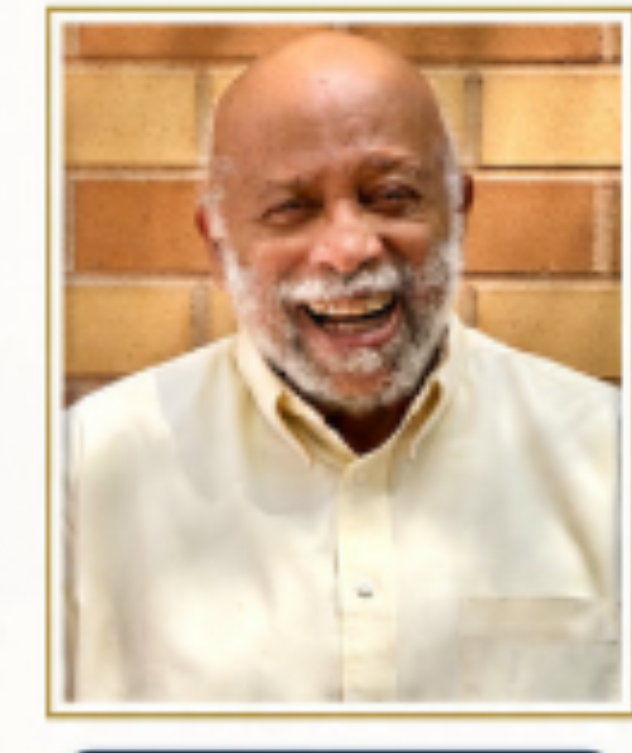
I Believe I could achieve something good as the chairman of the WPFW Radio Station Board. I am inclined to believe that this could be possible because my mind is most often beyond the proverbially normal and conventional thoughts outside of the boxes. Additionally, I also subscribe to the notions that the mothers of inventions are due to accidents or the conditions of necessity.
In regards to operational strategies I first identify the missions and goals to be accomplished and how best to achieve them. Secondly, I might identify the individuals and their strengths in accomplishing the assigned tasks at the same time maintaining the spirit of teamwork. Throughout this approach I am mindful of a history that works and of a history that does not. One could say throughout this approach I am in essence improvising.
The saying that to whom much is given much is to be expected has always been an important principle by which I’ve attempted to guide the purposes of my life. This saying has also provided me with the reasons and justification for which I feel obligated to give back; for the opportunities and privileges afforded me as we exist in a world in need of desperate humane, visionary, and progressive change. I am humbly volunteering to offer my energy, knowledge, and wisdom to assist and support Radio Station WPFW a profoundly, unique, and critically important organization to the survival of oppressed and marginalized communities and peoples. The support again I am most humbly offering is to become chair of WPFW’S local station board.
Though there are for certain some within the WPFW Family whom might not be familiar with my work and history I offer somewhat of a biographical sketch of my history and philosophy. In regards to my history I have principally been known as a professor of music for the last fifty years within higher education while at the same time maintaining a career as a performing jazz artist and lecturer on the history and aesthetics of jazz. For many the intersections within jazz of its political, cultural, and aesthetic aspects is often a most difficult task but in the final analysis is most beneficial and rewarding for those who accept the intellectual and spiritual challenges that fully understanding the meaning of jazz requires. And so, due to its complex intersectionality’s, I often declare that jazz is the most profound expression of the peoples of the African diaspora.
Throughout my career as a professor and musician I have had to unapologetically make the case for not only the power, the importance, and the beauty of the arts but, most fundamentally the rights and freedom of all people to live within a just and equal society. And so, for me the person, the struggle, and the challenges of jazz represents the challenges of life itself.
For more biographical information of my history and background I provide the following:
Herbert A. Smith Born in Decatur, Alabama in 1942, raised
from age two in Memphis, Tennessee—a city known for its blues, gospel, and jazz and principal home for WC Handy, (Father Of The Blues). Also, home of B.B. King, (Beale Street Blues Boy) and birthplace of Charlie Parker, Aretha Franklin, and Stax Records. Attended Manassas High School where legendary musician Jimmy Lunceford, the authentic King of Swing, was once a teacher, and where other legendary musicians such as Gerald Wilson, Sonny Chris, George Coleman, Hank Crawford, Frank Strozier, Booker Little, Harold Mabern, Charles Lloyd, and Isaac Hayes emerged as students. Jazz great Miles Davis was so impressed that he proclaimed Manassas High School in Memphis Tennessee the greatest jazz school ever.